
hello@allmediatransfers.uk
Mon–Fri, 9am–5pm
Call Us
Tape Repair & Restoration

Sticky Shed Syndrome: what it is and how we treat it.

If an old tape squeals, jams, or feels tacky when you handle it, it may have sticky shed syndrome — a common form of tape decay that gets worse every time it's played. Here's what it is, which tapes are at risk, and why it's worth stopping and getting expert help before you lose the recording for good.
Experienced Technicians
Specialist Tape Treatment
All orders treated with the upmost care
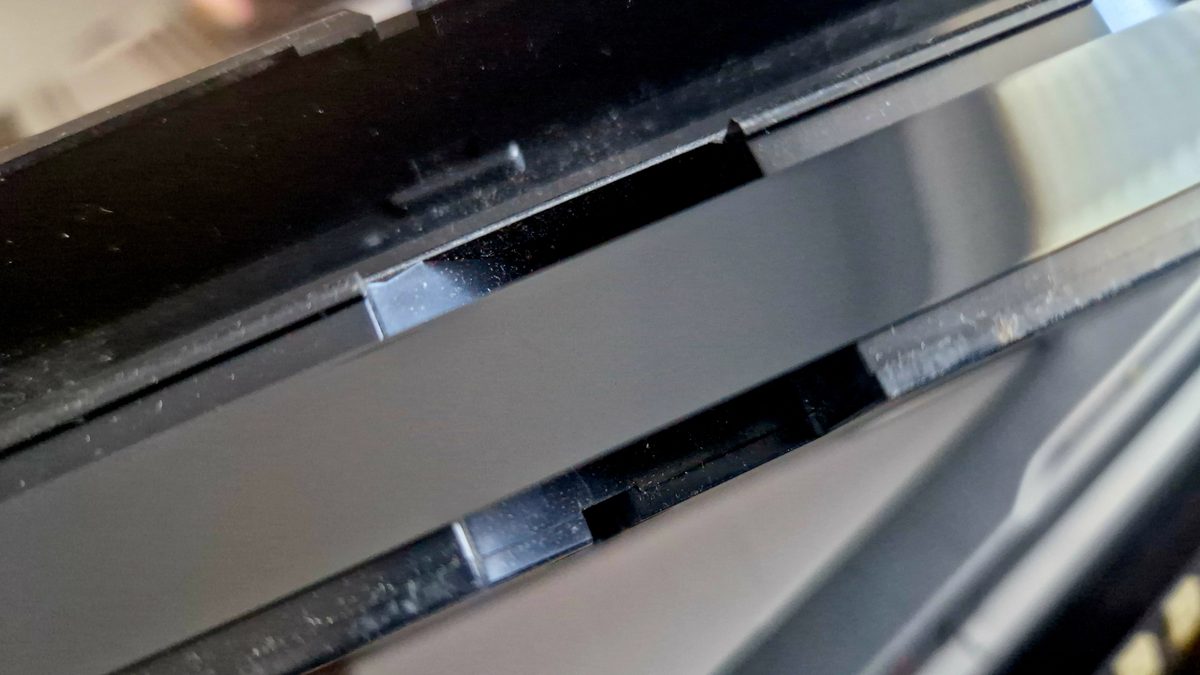
Close-up of a video tape cassette showing signs of wear
We accept damaged, mouldy or unplayable tapes
Typical turnaround: 1–2 weeks
Thousands of tapes digitised
Originals returned with every order
What Is It?

A slow chemical breakdown, decades in the making.

Every magnetic tape is built from a few thin layers: a plastic base film, a magnetic coating that holds the recording, and a binder — essentially a glue — that holds that coating onto the base. Sticky shed syndrome happens when that binder breaks down.

Over years or decades in storage, the binder can slowly absorb moisture from the air. This weakens it chemically, and the tape's magnetic coating starts to lose its grip on the base film. The result is a tape that feels tacky or sticky to the touch, squeals or screeches during playback, and sheds a gummy residue onto guides and playback heads as it runs.

It's a well-documented issue in the archival and broadcast world, and it isn't a fault of how a tape was stored day-to-day — it's a chemical process built into certain tape formulations from the moment they were manufactured, and it only gets worse with time.

Signs to look out for

  • A squealing or screeching soundHeard during playback, often getting worse as the tape runs.
  • A tacky or resistant feelIf you gently turn the reels or spool by hand, the tape may feel sticky or drag rather than move freely.
  • A musty or unusual smellSometimes described as similar to vinegar, this can indicate binder breakdown.
  • Residue after a previous playbackA gummy or powdery deposit on a VCR or deck after a tape has been played is a strong warning sign.
Which Tapes Are At Risk?

Mostly older analogue tape, but any format can be affected.

Sticky shed syndrome is most strongly associated with analogue audio and video tape manufactured from the 1970s through to the 1990s, though not every tape from that era is affected — it depends on the specific tape stock and manufacturer used at the time.

VHS & VHS-C Betamax Video 8 & Hi8 U-matic Betacam & Betacam SP Open-reel audio tape Compact audio cassette

Tapes made by certain manufacturers in this period are more commonly affected than others, but the only reliable way to know if a specific tape is at risk is to have it inspected by someone experienced in recognising the signs.
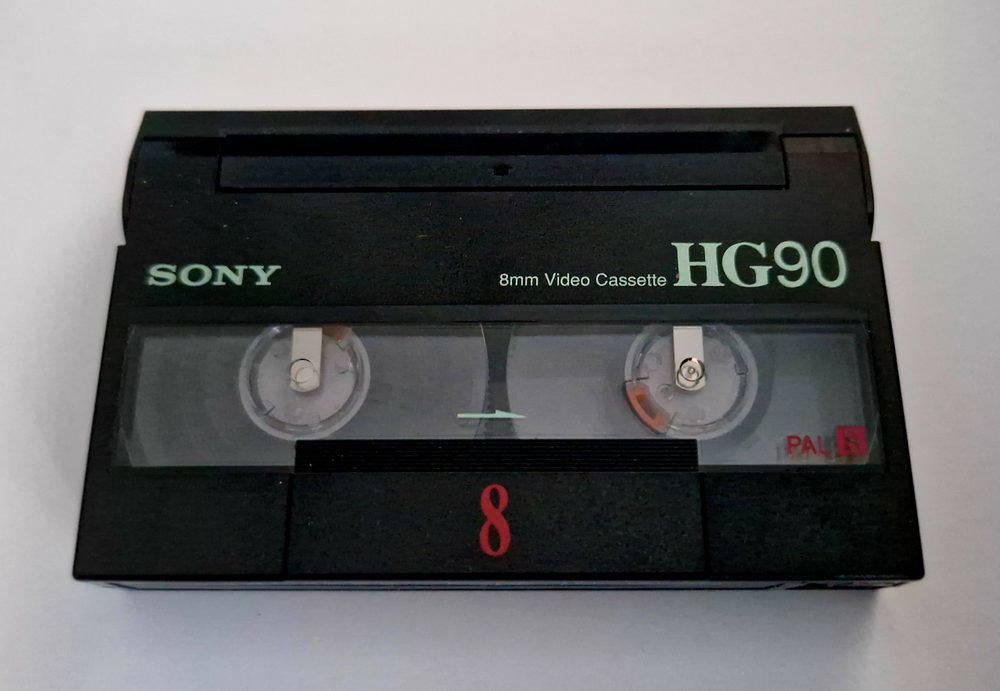
Close-up of a Sony 8mm HG90 video cassette used in tape treatment and transfer
How We Treat It

A careful, controlled process — not a quick fix.

Where a tape shows signs of sticky shed syndrome, we don't simply attempt to play it. A damaged tape only gets one good chance at a clean transfer, so treatment is approached carefully before any capture is attempted.

  • 01
    Inspection & diagnosisThe tape is examined by hand to confirm sticky shed syndrome rather than a different issue, since the correct treatment depends on an accurate diagnosis.
  • 02
    Controlled specialist treatmentAffected tapes undergo a controlled treatment process using specialist equipment, which can temporarily restore a tape to a playable condition for long enough to capture the recording.
  • 03
    One careful, high-quality transferOnce treated, the tape is played back once on professional equipment and captured at the best quality achievable, since the treatment's effect doesn't last indefinitely.
Important

Please don't try to play a suspect tape yourself.

It's tempting to try "just one more play" to see if a tape still works, but with sticky shed syndrome, every playback attempt makes things worse. The sticky residue can clog and coat playback heads, causing damage to your equipment as well as the tape itself. The friction and drag from a degraded tape running through a deck can also stretch, crease or snap it outright — and once that happens, the recording may be unrecoverable. If you suspect a tape has sticky shed syndrome, the safest thing to do is stop, set it aside, and get it looked at by someone experienced in treating it before any further attempts are made.
Get Started

Concerned about a tape? Let's take a look.

Tell us about your tapes using the order form, including any symptoms you've noticed, and we'll assess what treatment is needed before anything is transferred.

Questions

Sticky shed syndrome frequently asked questions.

What is sticky shed syndrome?+
Sticky shed syndrome is a breakdown of the adhesive binder that holds the magnetic coating onto a tape. Over decades, this binder can absorb moisture from the air and weaken, causing the tape to become tacky, squeal during playback, or shed a gummy residue onto guides and playback heads.
Which tapes are more likely to get sticky shed syndrome?+
It's most commonly associated with analogue audio and video tapes manufactured from the 1970s through to the 1990s, including VHS, Betamax, Video 8, Hi8, U-matic and Betacam family tapes, as well as open-reel audio tape. Certain manufacturers and tape stocks from this era are more prone to it than others.
Can sticky shed syndrome be fixed?+
In many cases, yes, temporarily. A controlled, specialist treatment process can allow an affected tape to be played back cleanly for long enough to capture the recording. This is a delicate process carried out with professional equipment, not something to attempt at home.
Why shouldn't I try to play a tape with sticky shed syndrome myself?+
Playing an affected tape can permanently damage both the tape and your playback equipment. The sticky residue can clog and damage the tape heads, and each playback attempt on an untreated tape risks stretching, snapping or permanently losing the recording. It's best to stop immediately and seek specialist help.
How do I know if my tape has sticky shed syndrome?+
Common signs include a squealing or screeching sound during playback, the tape feeling tacky or resistant when rewound by hand, a musty smell, or visible residue left behind after a previous playback attempt. If you notice any of these signs, stop and don't play the tape again.