
How to store your tapes properly, while you decide what to do with them.
You don't need to digitise everything today, but how you store your tapes in the meantime makes a real difference to how well they survive. Here's what actually helps.
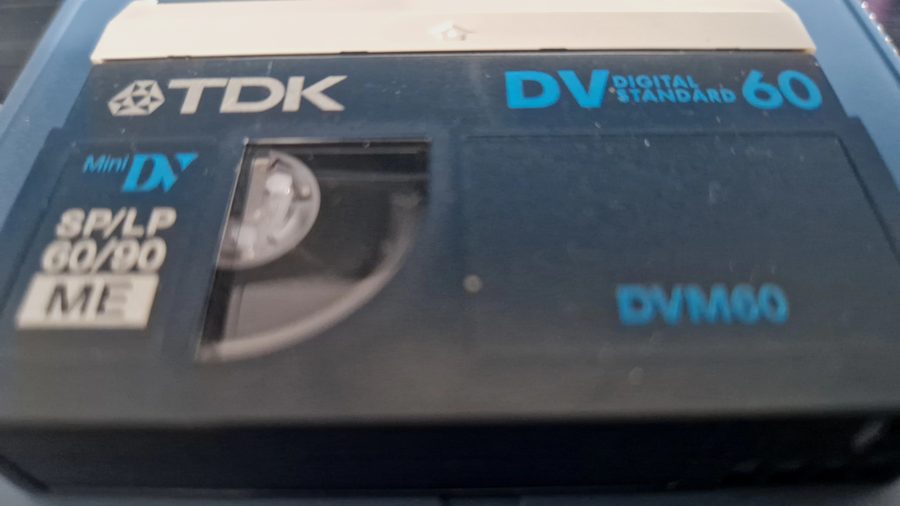
Five things that actually make a difference.
None of this requires special equipment — just a bit of care with where and how tapes are kept.
1. Keep them cool and stable. A consistent room temperature, roughly 15–21°C, is ideal. Avoid attics, garages and sheds, where temperatures swing widely between seasons — that fluctuation stresses the tape and its case more than steady heat or cold on its own.
2. Keep them dry. Humidity is one of the biggest contributors to tape decay, including sticky shed syndrome. Avoid basements, bathrooms, or anywhere prone to damp. A normal, dry living space is usually far better than a "safe" cupboard in a damp part of the house.
3. Store them upright. Tapes should sit on their spine, the same way they'd stand on a shop shelf, not flat or stacked on their side. Long-term flat storage can let the internal tape pack shift or deform.
4. Keep them away from magnets and heat sources. Speakers, older CRT televisions and some electrical equipment generate magnetic fields that can degrade a recording. Keep tapes away from radiators and direct sunlight too.
5. Don't play them "just to check." It's tempting to test an old tape to see if it still works, but each playback adds wear, and if a tape is already fragile, that one test could be its last successful play. If you're unsure about a tape's condition, it's safer to have it assessed before it's played at all.
Quick reference
- Temperature15–21°C, stable, not fluctuating
- HumidityDry, avoid basements and bathrooms
- PositionUpright on the spine, not flat
- Away fromMagnets, radiators, direct sunlight
- PlaybackDon't test-play fragile or old tapes